 PATROL
Preparing a GU/Y61 Patrol for Seasonal Desert Crossing: Tire Pressure and Suspension Tweaks
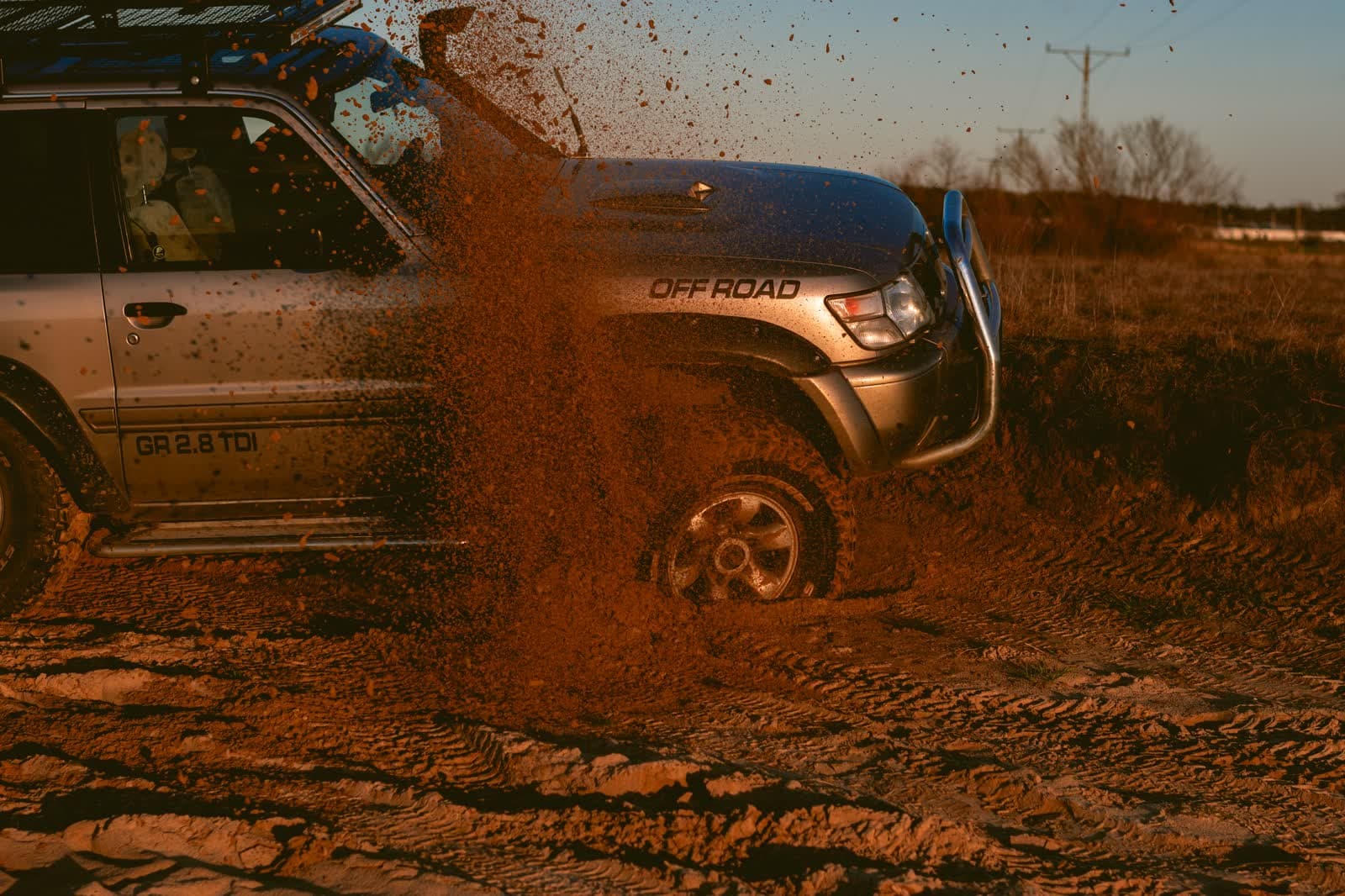
Why Tire Pressure Matters in the Desert
When you roll into loose sand, the tire’s footprint determines how the vehicle floats or sinks. A softer sidewall spreads the load, giving you better traction. On hard-packed dunes, a firmer pressure keeps the tire from squirming and reduces wear. The key is to start with the pressure the factory recommends for off‑road use and then adjust up or down depending on the terrain you expect.
Setting the Right Pressure for Sand vs. Hard Ground
1. Sand – Inflate to the lower end of the spec. This lets the tyre deform and increase contact area. 2. Hard‑packed dunes – Raise the pressure a few psi above the sand setting. This keeps the sidewalls from flexing too much at speed. Always use a reliable gauge and re‑check after the first few kilometres, as temperature will change the reading. If you’re unsure of the exact numbers, check the workshop manual for your exact figure.
Inspecting Tires and Valves Before You Go
Before you even think about adjusting pressure, give each tyre a thorough visual exam. Look for cuts, punctures, or sidewall bulges. Rotate the wheel and listen for any unusual noises that might indicate a hidden bead issue. Pull the valve cores to ensure they seat tightly – a loose core will leak air in the heat of the desert. Replace any suspect valve stems; a fresh stem costs little and saves a lot of trouble offshore.
Suspension Tweaks for Heavy Loads
A desert crossing usually means extra gear, spare tyres, and sometimes a roof rack. That extra weight changes the vehicle’s centre of gravity and can affect ride comfort. Start by checking the ride height: the chassis should be level when the truck is fully loaded. If the rear sits too low, consider a mild lift kit or stronger rear springs. Front spring rates can also be stiffened to curb nose‑over on steep dunes.
Bearing Locking Nut Kit – A Small Addition with Big Benefits
When you load the Patrol heavily, the wheel bearings experience higher forces, especially on uneven dunes. Adding a Nissan patrol y61 bearing locking nut kit helps keep the bearing nuts from loosening under vibration. It’s a simple bolt‑on solution that doesn’t require machining and gives you confidence that the wheels will stay true throughout the trek. (source: patrolmania live catalogue)
Shock Absorber Check
Desert terrain can be brutal on shocks. Inspect the shock bodies for oil leaks and ensure the mounting bolts are torqued to spec – if you’re uncertain, have it torqued to spec at a trusted workshop. Replace any worn or leaking units before the season starts. A well‑damped vehicle will keep the wheels in contact with the sand, improving traction and control.
Quick Fluid‑Check Routine Before the Season
Even though the focus here is tyres and suspension, a desert crossing will stress the engine and drivetrain. Make a habit of changing the engine oil and filter every 7500 km (source: Official Nissan Patrol Wagon maintenance schedule (Nissan ZA)). The fuel filter should be swapped at 15000 km (source: Official Nissan Patrol Wagon maintenance schedule (Nissan ZA)). Brake fluid, which can absorb moisture, also deserves attention at 15000 km (source: Official Nissan Patrol Wagon maintenance schedule (Nissan ZA)). Keeping these fluids fresh reduces the risk of overheating in the harsh desert climate.
Final Checklist
- Clean and inspect each tyre, valve stem, and wheel nut.
- Set pressure to the lower end of the spec for sand, raise for hard ground.
- Verify ride height with full load, adjust springs if needed.
- Install a bearing locking nut kit for added security.
- Inspect shocks and replace any that show signs of wear.
- Perform the fluid‑change routine at the mileage intervals listed above.
Where Patrolmania Fits In
Patrolmania stocks the bearing locking nut kits, suspension components, and OEM‑spec parts you need to get your GU/Y61 ready for the desert. If you’re unsure about numbers or torque settings, message us and we’ll confirm against a donor truck. Our specialists know these trucks inside‑out, so you can hit the dunes with confidence.
Frequently Asked Questions
| Q | A |
|---|---|
| What tyre pressure should I use on soft sand? | Start with the lowest pressure the factory recommends for off‑road use, then adjust based on how the vehicle floats. If you don’t have the exact figure, check the workshop manual. |
| Do I need a lift kit for desert trips? | Only if you regularly carry heavy loads that cause the rear to sit low. A mild lift or stronger rear springs will improve clearance and keep the centre of gravity balanced. |
| How often should I replace the bearing locking nuts? | They are reusable, but inspect them for wear each season. Replace if threads are damaged or if you notice any play in the wheel hub. |
Common questions
Keep reading
Send us your chassis and engine — we check it against a real donor Patrol before anything ships.
Browse Patrol parts →Questions & comments
Ask about your Patrol — questions get an instant answer from our verified data. If we can't verify it, we say so.