 PATROL
Building a Nissan Patrol for overlanding: where to start
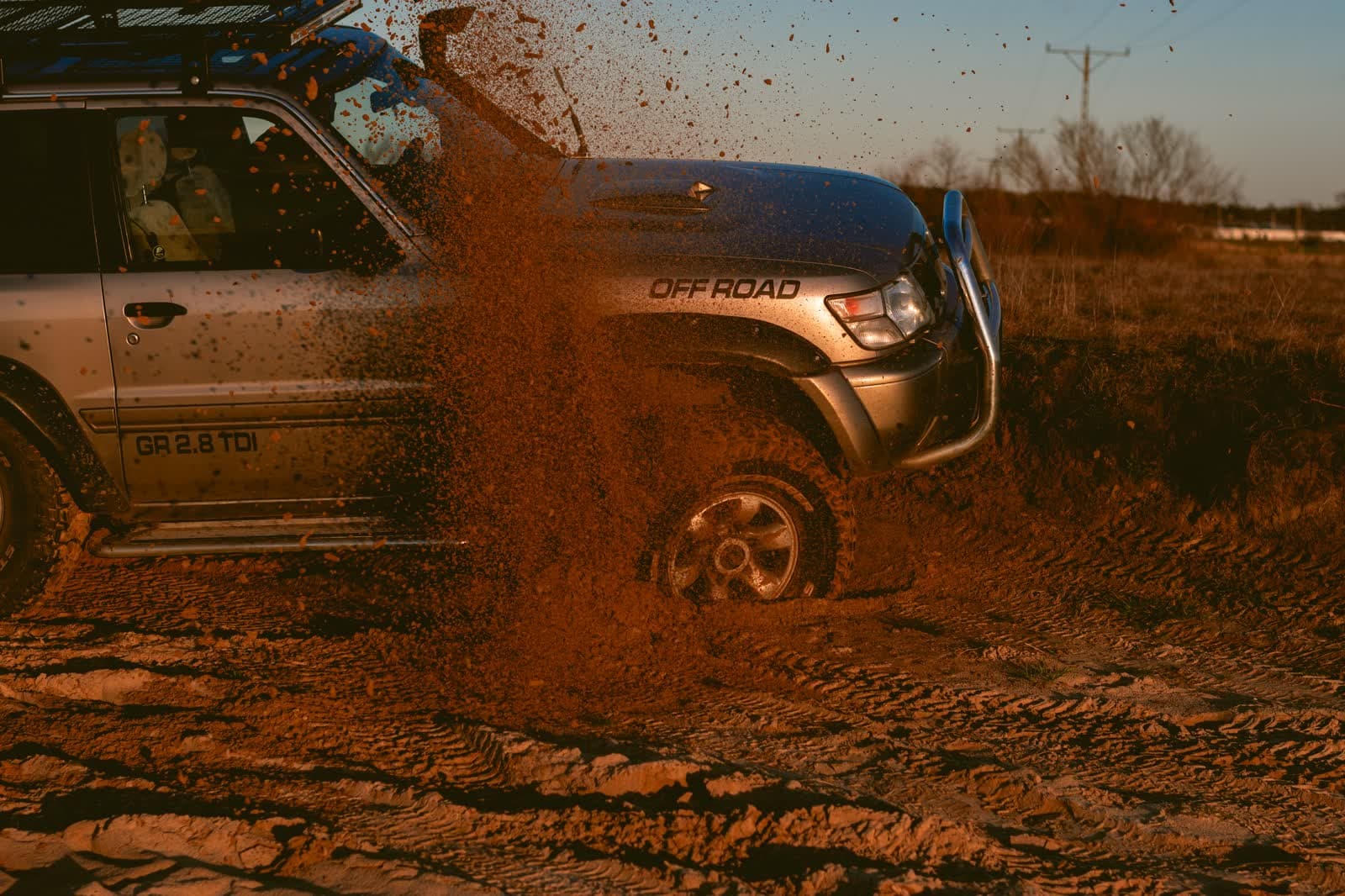
What should you do before buying accessories?
Baseline the vehicle. This is the least glamorous part of an overland build and the part that saves the most trips.
A Patrol is a strong platform, but strength is not a substitute for maintenance. Before roof racks, awnings, lights and drawers, work through the basics: cooling system health, belts, hoses, filters, fluids, brakes, wheel bearings, steering, suspension bushes, driveline noises, battery condition and charging behaviour. You do not need to turn the truck into a workshop ornament. You need to know what condition it is actually in.
This matters even more with older GQ and GU Patrols. Previous owners may have used them hard, modified them in stages, or patched problems just enough to sell. A tidy service baseline gives you confidence and gives your mechanic a clear starting point if something changes later.
On a Y62, the same idea applies, just with a more modern lens. Diagnostics, electrical health, accessory integration and cooling performance matter. A modern Patrol can be an excellent overlander, but it does not enjoy careless wiring or bargain parts any more than an older one does.
Are tyres the first real upgrade?
Usually, yes. Tyres affect almost every part of overlanding: traction, puncture resistance, braking, steering feel, noise, comfort and fuel use. A sensible all-terrain tyre often suits touring better than an aggressive mud tyre, especially when the trip includes highway, gravel, wet roads and long distances.
The right tyre choice depends on terrain, climate and load. A Patrol heading into rocky tracks needs different priorities from one crossing wet forest roads or long desert routes. Avoid choosing tyres for photos. Choose them for where the vehicle will actually go.
Wheel choice also matters. Strong, practical wheels that are easy to inspect and compatible with your intended tyres are better than fashion-driven options. Keep future tyre availability in mind if you travel remote.
How much suspension do you really need?
Suspension should support the load and improve control, not just create a stance. A Patrol loaded for travel can carry people, water, tools, recovery gear, food, spare parts and camping equipment. Add accessories without thinking and the truck can become heavy, harsh and less safe.
Start by deciding what the vehicle will carry most of the time. A weekend Patrol and a long-range touring Patrol are not the same build. Springs, shocks and bushes should match real load, not the heaviest trip you can imagine if the truck spends most of its life empty.
Good suspension also protects the vehicle from fatigue. Corrugations, rough tracks and long loaded days punish poor setups. If the Patrol wanders, bottoms out, sags, clunks or feels unsettled, fix that before adding more equipment.
What recovery gear belongs on a touring Patrol?
At minimum, you want rated recovery points appropriate for the vehicle, a recovery kit you understand, a tyre repair kit, a compressor and a shovel. A winch can be valuable, but it is not a substitute for judgement. The best recovery is the one you avoid by choosing lines carefully and lowering tyre pressures appropriately for conditions.
Recovery gear should be stored where it can be reached when the vehicle is stuck, not buried under bedding and food. Learn how your gear works before the trip. A new snatch strap, soft shackle or winch controller is not something to figure out under stress in mud, rain or heat.
For solo travel, communication and self-recovery planning become more important. For group travel, make sure everyone understands safe recovery behaviour. Patrols are heavy vehicles, and recovery forces deserve respect.
Should you fit drawers, roof racks and long-range gear early?
Only if your use case demands it. Storage systems are brilliant when they solve a real packing problem. They are dead weight when they are fitted because every touring build online has them.
Keep heavy items low and secure. Avoid filling the roof with gear unless there is a clear reason. Roof loads change how the Patrol feels on side slopes, corrugations and emergency manoeuvres. A clean, restrained setup often works better than a fully decorated build.
Electrical upgrades deserve the same discipline. Extra batteries, solar, fridges and lighting can transform travel comfort, but poor wiring causes headaches. Use quality components, protect cables properly and label what you install. Future you, or the next owner, will be grateful.
What about protection and snorkels?
Underbody protection, bar work and snorkels can be useful, but they should fit the trip. If you drive rocky country, protection matters. If you travel dusty tracks, intake sealing and filtration deserve attention. If you cross water, understand that a snorkel is not a magic submarine kit. Breathability, sealing, diff breathers and careful driving all matter.
Protection also adds weight. Fit what you need, not everything the catalogue offers.
Where should a Patrol overland build start?
Start with reliability, tyres, suspension condition, recovery basics and honest packing. Then travel. Short trips reveal more than shopping lists do. You will quickly learn what rattles, what is hard to reach, what you never use and what you should have fitted sooner.
A good Patrol build is not finished in one order. It evolves through use.
Where Patrolmania fits in
Patrolmania is here for the practical side of the build: maintenance parts, touring upgrades and replacement gear that helps keep your Patrol dependable when the track gets long.
Common questions
Keep reading
Send us your chassis and engine — we check it against a real donor Patrol before anything ships.
Browse Patrol parts →Questions & comments
Ask about your Patrol — questions get an instant answer from our verified data. If we can't verify it, we say so.