 PATROL
Buying a used Nissan Patrol: what to check before you pay
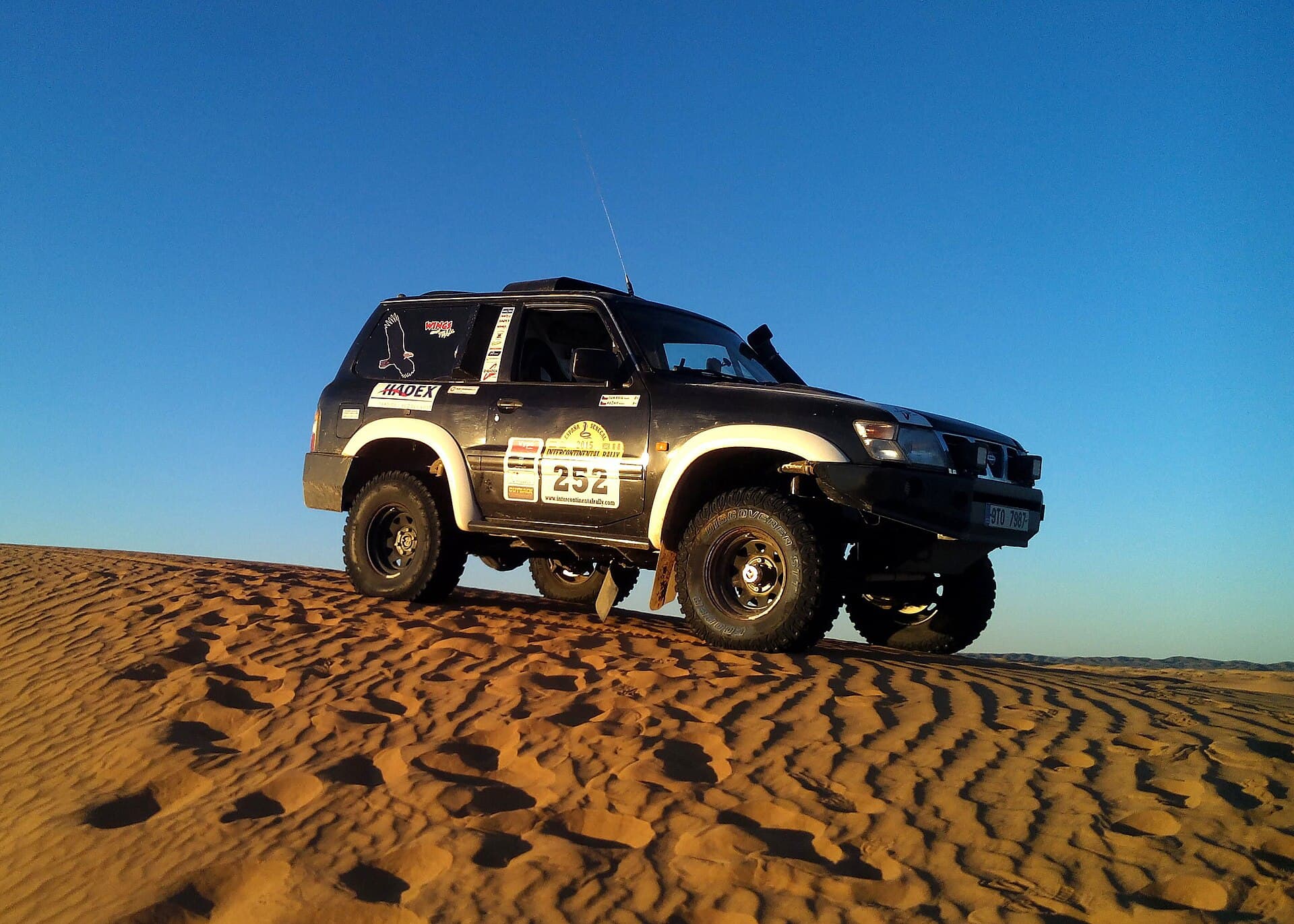
What is the first thing to check on a used Patrol?
Check the story against the vehicle. A seller can say "never been off-road" while the chassis, underbody and interior tell a different truth. Look for consistency: service history, ownership style, accessory quality, tyre wear, body condition and how the Patrol starts, idles, drives and stops.
Patrols attract owners who use them. That is not a problem. A truck that has been off-road and maintained properly can be a better buy than one that sat neglected. What you want to avoid is hidden abuse, rushed repairs and mystery modifications.
Bring a torch, get under the vehicle and take your time. If the seller rushes you away from the inspection, listen to that signal.
Where do Patrols rust?
Rust is one of the biggest deal-breakers, especially on older GQ and GU models. Check the chassis, body mounts, sills, floors, inner guards, door bottoms, tailgate areas, roof gutters and anywhere mud or salt can sit. Look closely around repairs, flares and accessories.
Surface rust and structural rust are very different. A bit of cosmetic ageing may be manageable. Deep corrosion around structural areas, mounts or suspension points is serious. Poor rust repairs can be worse than visible rust because they hide the problem until it returns.
If the Patrol has lived near the coast, on salted roads or in wet off-road conditions, inspect harder. Mud packed into hidden areas can hold moisture for a long time.
How should the engine behave?
Start it from cold if possible. A warm engine can hide starting issues, smoke and noises. Listen for uneven idle, knocking, rattles, excessive smoke, pressure in the cooling system, oil leaks and warning lights. Watch the temperature behaviour on the test drive and after idling.
For TD42 vehicles, reputation is strong, but age and neglect still matter. Check for cooling system care, oil leaks, fuel system health and signs of poor turbo conversion work where fitted.
For ZD30 vehicles, be extra interested in history. Look for careful servicing, sensible modifications and an owner who understands the engine. Smoke, overheating signs, rough running or vague explanations are reasons to slow down.
For petrol sixes and Y62 V8s, smooth operation matters. Misfires, hesitation, cooling issues, warning lights and neglected servicing should not be brushed aside because petrol engines are often described as simple or strong.
What should you feel on the test drive?
A Patrol should feel solid, not vague and wandering. Steering play, clunks, vibration, brake shudder, driveline backlash, whining diffs and harsh gear changes all deserve attention. Some older 4x4 feel is normal, but loose and tired is not the same as character.
Drive at low speed and road speed if possible. Turn tightly in both directions. Brake gently and firmly. Listen over bumps. Feel whether the vehicle tracks straight. Engage the appropriate four-wheel-drive modes only where conditions allow, and check that they work without drama.
Suspension tells a story. Sagging, uneven ride height, leaking shocks, cracked bushes and bent brackets suggest a vehicle that needs money soon. Fresh suspension is good only if it suits the vehicle and has been fitted properly.
How do you judge modifications?
Modifications are not automatically bad. Many Patrols are improved by thoughtful bar work, suspension, tyres, lighting, storage and touring electrics. The question is whether the work looks planned or accumulated.
Good modifications use quality parts, tidy fasteners, protected wiring, proper fusing, clean routing and sensible mounting. Bad modifications leave loose cables, mystery switches, rubbing hoses, hacked trims and heavy gear bolted wherever it fit.
Be cautious with highly modified vehicles unless you understand exactly what has been changed. Engine tuning, body lifts, driveline swaps and home-made electrical systems can create problems that are expensive to diagnose.
What paperwork matters?
Receipts are useful because they show what was done, when it was done and who did it. A stamped book is good, but detailed invoices are often better. Look for evidence of regular servicing, cooling work, brake work, suspension maintenance and quality parts.
Registration, roadworthiness and modification compliance vary by country and region, so check local requirements before money changes hands. Do not assume a vehicle is legal because it is advertised that way.
When should you walk away?
Walk away from structural rust, overheating symptoms, major engine doubts, severe driveline noises, bad paperwork, suspicious identity details or a seller who will not allow inspection. Also walk away when your gut says the build is hiding more than it reveals.
There will always be another Patrol. Buying the wrong one can consume the budget you meant to spend on making the right one excellent.
Where Patrolmania fits in
After purchase, Patrolmania can help you work through the catch-up list: service parts, suspension items, driveline components, cooling-related parts and practical upgrades for the Patrol you actually bought.
Common questions
Keep reading
Send us your chassis and engine — we check it against a real donor Patrol before anything ships.
Browse Patrol parts →Questions & comments
Ask about your Patrol — questions get an instant answer from our verified data. If we can't verify it, we say so.