 PATROL
Patrol water crossing preparation: what to check before going in
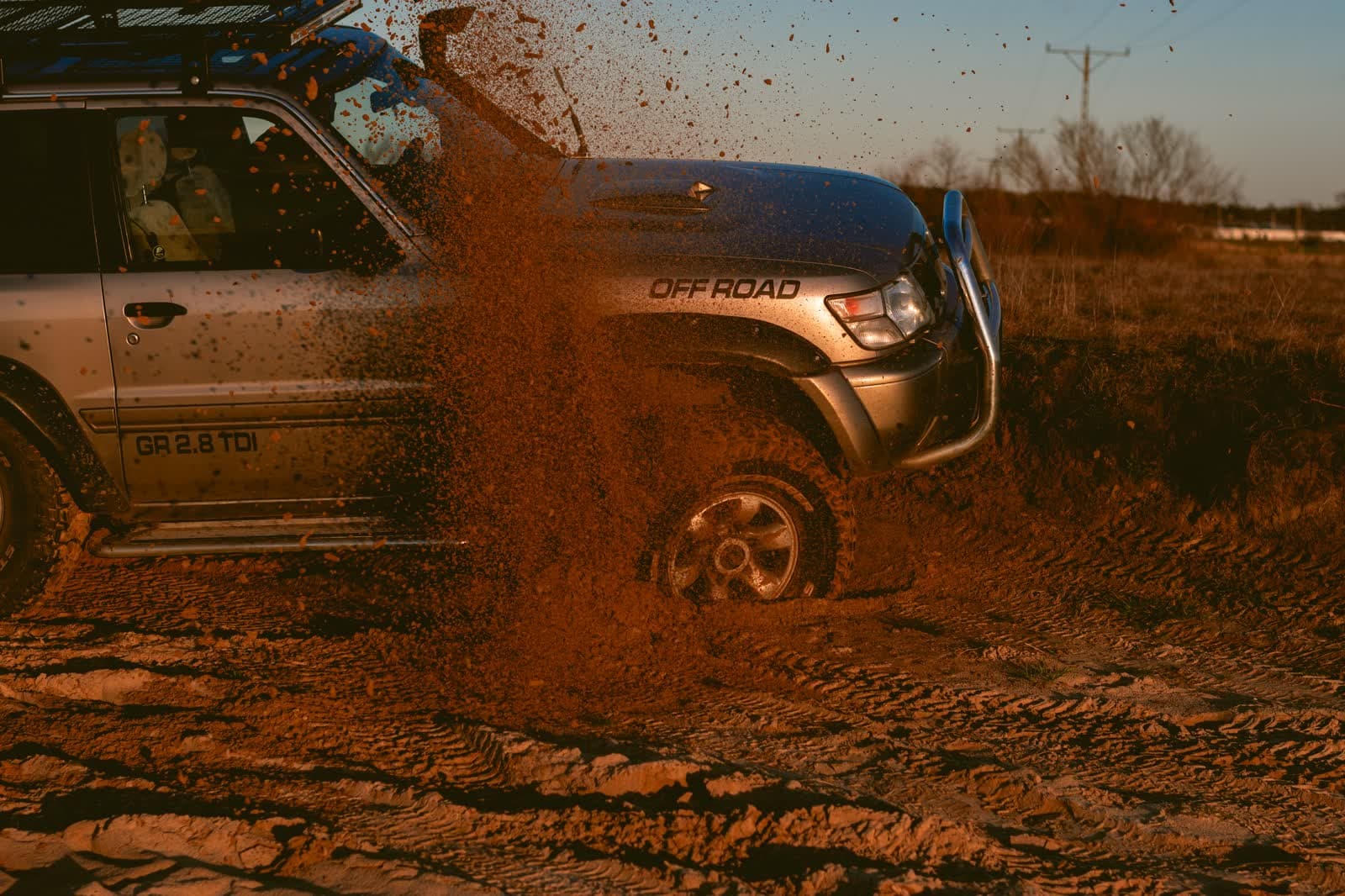
Why water crossings punish assumptions
Water hides holes, rocks, current, mud and exit problems. A Patrol can be capable and still be beaten by a rushed crossing.
The first decision is whether the crossing is worth doing at all.
A good test is whether the advice still helps when the vehicle is dirty, loaded and inconvenient. If it only sounds useful in a clean workshop, it is not strong enough for a Patrol owner who actually uses the truck.
Check the route before the vehicle
Know the depth, bottom, current, entry, exit and recovery plan. If you cannot judge it safely, do not let confidence replace information.
Passengers and cargo also matter. Loose gear and open electrics do not improve in water.
For owners crossing water and wet tracks, the useful habit is to write the findings down as a short parts-and-work list. That stops the job becoming a vague worry and turns it into a sequence: what is safe, what needs watching, what needs ordering, and what should stop the trip or purchase.
Mechanical preparation matters
Intake sealing, breathers, electrical protection, fan behaviour, recovery points and door seals should be understood before the crossing.
A snorkel alone does not make the vehicle waterproof.
This is where owner judgement matters. Two Patrols can share a badge and still need different decisions because condition, load, climate, use and previous work are different.
After the crossing
Brakes, wheel bearings, fluids, underbody, mud traps and electrical connectors deserve attention after water and mud.
The crossing is not finished until the Patrol is inspected and cleaned.
If the situation is unclear, slow the decision down. A few careful checks before ordering are cheaper than fitting a part that never addressed the real cause.
How Patrolmania fits in
Water use creates follow-up maintenance: seals, fluids, bearings, electrical clean-up, fasteners and underbody inspection.
A capable Patrol stays capable because the owner checks it afterward.
That is also why the site is being built as a reference library, not just a shelf of listings. The more clearly each guide explains the decision, the easier it is for an owner to trust the part, ask the right question and come back when the next job appears.
Worldwide owner note
Patrolmania writes for Patrol owners globally, so this guide avoids country-specific assumptions unless the detail has to be local. Market names, trim levels and previous modifications vary, especially on older imports. If a part, inspection point or repair depends on the exact vehicle, confirm the chassis, engine and body details before ordering.
The practical rule
The best Patrol advice is usually boring first and exciting second. Check the vehicle, understand the use case, fix weak links, then buy the upgrade. That order protects money, trips and reputation.
What to do next
If this guide describes your Patrol, turn it into a short inspection list before buying parts. Put safety-critical items first, then trip-critical reliability, then comfort and convenience. For owners crossing water and wet tracks, that order keeps the vehicle usable while the build improves.
When a part or setup depends on the exact vehicle, do not guess from a photo or a forum comment. Confirm the generation, engine, body style, donor details and any modifications before ordering. That is the difference between a useful specialist site and a generic parts catalogue.
Common questions
Keep reading
Send us your chassis and engine — we check it against a real donor Patrol before anything ships.
Browse Patrol parts →Questions & comments
Ask about your Patrol — questions get an instant answer from our verified data. If we can't verify it, we say so.