 PATROL
Towing with a Nissan Patrol: what you need to know
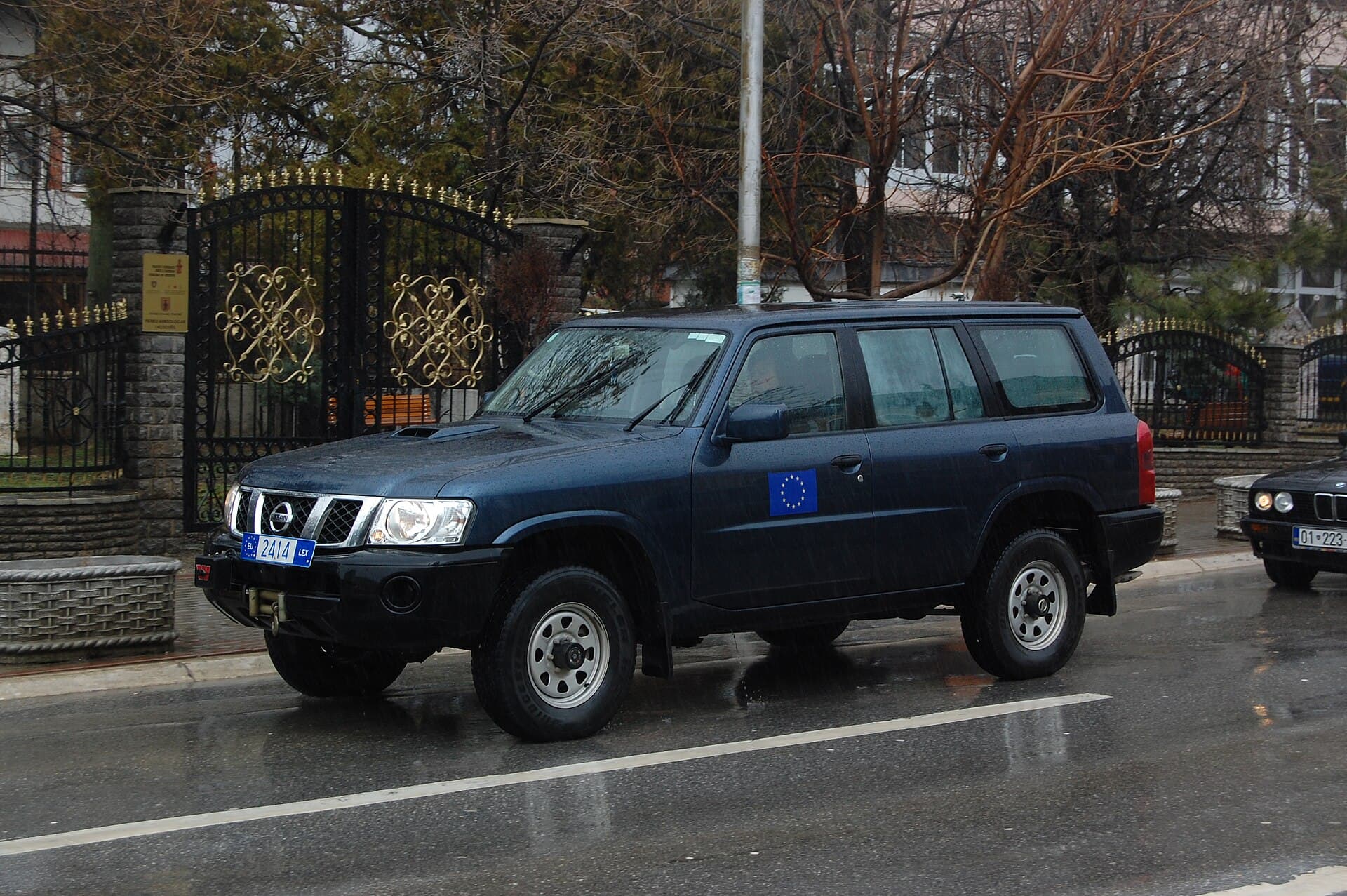
Is a Nissan Patrol good for towing?
Yes, a Patrol can make a strong tow vehicle, but the honest answer depends on the specific Patrol and the specific trailer. A well-maintained GU or Y62 set up properly can feel confident and stable. An old GQ with tired suspension, marginal brakes and unknown cooling history may feel tough around town but become hard work with a heavy load.
Towing exposes weakness. Heat, worn bushes, poor tyres, soft rear springs, weak brakes, bad wiring and neglected wheel bearings all show themselves faster when a trailer is attached. The Patrol's reputation is a good starting point, not a permission slip to ignore the basics.
Before towing anything serious, confirm the legal limits for your exact vehicle, trailer and location. Rules vary, and accessories, passengers, fuel, water and cargo all affect the real-world picture.
Which Patrol engine suits towing best?
Each engine changes the towing experience. The TD42 diesel is loved for toughness and steady old-school character. It suits owners who value durability and are patient with its pace, especially in older touring setups.
The ZD30 can tow when healthy and used sensibly, but it deserves careful monitoring. Cooling health, boost control, servicing and load management matter. If you expect it to drag heavy loads with no mechanical sympathy, you are asking the wrong engine to do the wrong job.
The TB42, TB45 and TB48 petrol sixes bring smoothness and a different kind of drivability. They can be pleasant with a trailer, but fuel use must be accepted honestly. The TB48 in particular has a strong following because it gives a Patrol easy petrol response.
The Y62 with the VK56 V8 is the modern towing standout in Patrol terms. It has power, comfort and highway ease, which makes long towing days less tiring. It is still a big petrol tow vehicle, so fuel use, brake condition, tyres and suspension setup remain important.
What should you check before hitching up?
Start with the vehicle. Inspect tyres, brakes, suspension, cooling system, driveline, lights, mirrors, wheel bearings and all towing hardware. Check for leaks, clunks, warning lights, cracked bushes, sagging rear suspension and uneven tyre wear. If the Patrol already feels vague without a trailer, it will not improve once loaded.
Then inspect the trailer. Tyres, bearings, brakes, lights, coupling, chains, breakaway system where fitted, load security and general structure all matter. A perfectly prepared Patrol cannot make a neglected trailer safe.
Towbar and hitch condition deserve close attention. Look for corrosion, loose fasteners, damaged wiring and signs of stress. If you did not fit the tow setup yourself, inspect it like you are checking someone else's work, because you are.
How important is weight distribution?
Very. A Patrol can feel stable with a well-balanced trailer and unpleasant with a poorly loaded one. Too much weight in the wrong place can make the rear sag, lighten steering feel or encourage sway. Too little weight on the hitch can also create instability.
Keep heavy items low and secure. Do not load the trailer by convenience alone. Think about how the weight sits, how it will move, and what happens during braking or a sudden lane change. Inside the Patrol, keep cargo restrained and avoid piling heavy gear high on the roof.
If the setup needs suspension help, choose parts that match the real load rather than chasing a level stance at all costs. Suspension should improve control and support, not hide an overloaded vehicle.
What about cooling and transmission behaviour?
Towing makes heat. Long climbs, soft sand, headwinds, high ambient temperatures and heavy loads all increase demand. Cooling systems need to be in good condition before the trip, not refreshed after the gauge has already told you a story.
Watch for changing temperature behaviour, unusual fan noise, coolant smells, loss of power, warning lights or transmission complaints. If the vehicle feels different under load, do not ignore it. Back off, investigate and fix the cause.
For automatic vehicles, smooth shifting and healthy fluid condition matter. For manual vehicles, clutch health matters. Do not use the Patrol's toughness as an excuse for bad driving habits. Mechanical sympathy is part of towing well.
How should you drive a Patrol when towing?
Leave more space, brake earlier, accelerate smoothly and avoid sudden steering inputs. Use gears intelligently on climbs and descents. If the Patrol is hunting, surging, overheating or feeling unstable, the answer is not more throttle.
Plan fuel stops realistically, especially with petrol engines and loaded touring setups. Wind, hills and tyre choice can change consumption dramatically. Also plan stops to check the trailer, hubs, tyres, straps and lights. A quick walkaround can catch a problem before it becomes a roadside repair.
Off-road towing is another step again. Trailers make recovery harder, turning wider and reversing more important. If the track is rough, slow down and protect the vehicle, trailer and people inside.
What upgrades make sense for towing?
Maintenance comes first. Then tyres, brakes, suspension matched to load, towing mirrors, quality wiring, cooling health and recovery points if you travel off-road. A transmission cooler, brake controller or suspension upgrade may be appropriate depending on the vehicle and trailer, but the right answer depends on the setup.
Avoid building around one problem while ignoring the rest. Stiffer springs will not fix bad trailer loading. More power will not fix weak brakes. A bigger tow vehicle feel comes from the whole system working correctly.
Where Patrolmania fits in
Patrolmania supports the boring but important side of towing: maintenance parts, suspension and steering components, cooling-related items, brake parts, filters and practical upgrades that help a Patrol tow confidently because the fundamentals are right.
Common questions
Keep reading
Send us your chassis and engine — we check it against a real donor Patrol before anything ships.
Browse Patrol parts →Questions & comments
Ask about your Patrol — questions get an instant answer from our verified data. If we can't verify it, we say so.