 PATROL
Y62 Suspension: Why the Hydraulic System Divides Owners and What to Watch
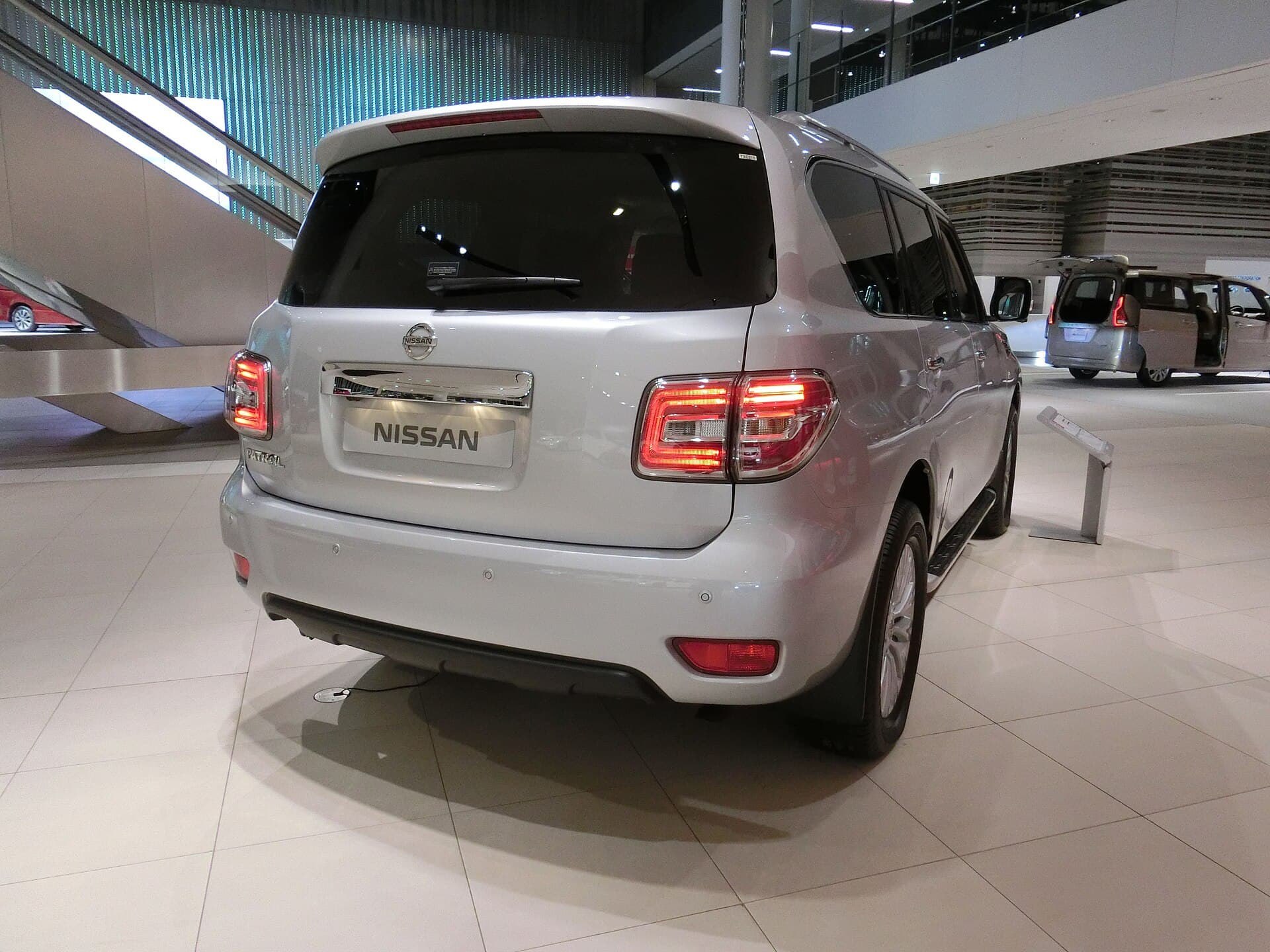
Why the hydraulic suspension sparks debate
Owners of the Y62 Patrol quickly discover that the hydraulic suspension is a love‑or‑hate feature. When everything is sealed and the fluid is pristine, the system delivers a cloud‑like ride that outshines traditional coil springs. The flip side appears when a single seal fails – the whole comfort envelope collapses and repair costs rise. This binary outcome makes the Y62 a polarising model in the Patrol community.
How the system works in the Y62
The Y62’s hydraulic suspension consists of four struts, each housing a piston that pushes against a fluid reservoir. Pressure is generated by an electric pump driven by the engine. Sensors monitor ride height and adjust fluid flow to keep the vehicle level, regardless of load. Because the system is electrically controlled, any fault in the pump, sensor or valve can translate directly into ride‑quality loss.
Common failure points owners notice
Typical red flags include a visible oil leak around the strut mounts, a gradual sag that does not return after a bounce, and a whining noise from the pump when the vehicle is stationary. A soft or squishy feel when cornering often signals a failing seal. Since the hydraulic fluid is hygroscopic, moisture ingress can accelerate corrosion inside the pump and valves, further narrowing the margin for error.
Fluid type and capacity
The Y62 does not use a standard hydraulic fluid; a Nissan‑specified mineral‑based fluid is required. The exact reservoir size varies by model – the version with a sub‑tank holds 140 l of fuel (source: Nissan Patrol owner manual, Recommended fluids/lubricants and capacities (§9-2)), while the base model carries 100 l (source: Nissan Patrol owner manual, Recommended fluids/lubricants and capacities (§9-2)). For the suspension itself, consult the workshop manual for the precise hydraulic fluid quantity, as it is not listed in public specs.
Inspection routine: what to watch
A practical routine involves checking the strut boots for cracks, inspecting the pump inlet and outlet hoses for swelling, and confirming that the electronic height‑control module shows no error codes. Replace the hydraulic fluid every few years – the fluid can turn dark and lose its anti‑foam properties. When changing fluid, also replace the pump’s internal filter; a clogged filter can cause the pump to overheat and fail.
Upgrading or fixing leaks
If a leak appears, the first step is to locate its source. Small leaks often come from the strut boots and can be solved with a replacement boot kit. Larger leaks may require a rebuilt strut or a new pump. After any repair, bleed the system to remove air pockets, then run the vehicle through the height‑control cycle to verify proper operation.
When to consider a conversion to coil springs
Some owners, after repeated hydraulic issues, opt for a coil‑spring conversion. This swap eliminates the pump, fluid lines, and electronic controller, simplifying maintenance. However, the conversion removes the ride‑comfort advantage and may affect resale value. If you value raw durability over luxury, a conversion can be a sensible long‑term solution.
Where Patrolmania fits in
Patrolmania carries the genuine hydraulic‑system components and full rebuild kits for the Y62. Whether you need a fresh pump, strut boots, or a complete leak‑seal kit, our specialists can source the exact parts and offer guidance on the proper bleeding process. Message us for part numbers or a detailed quote – we keep your Patrol riding smooth.
---
FAQ
Q: How often should the hydraulic fluid be changed?
A: Nissan recommends checking the fluid condition at each major service and replacing it every few years. Because the exact interval is model‑specific, check the workshop manual for the recommended schedule.
Q: Can the hydraulic suspension be disabled?
A: Yes, a permanent disabling kit exists that replaces the hydraulic struts with coil springs. This conversion requires professional installation and a re‑calibration of the vehicle’s ride‑height sensors.
Q: What symptoms indicate a failing pump?
A: A whining noise from the engine bay, a slow or no change in ride height when loading, and error codes related to the height‑control module are typical signs of pump failure.
Common questions
Keep reading
Send us your chassis and engine — we check it against a real donor Patrol before anything ships.
Browse Patrol parts →Questions & comments
Ask about your Patrol — questions get an instant answer from our verified data. If we can't verify it, we say so.